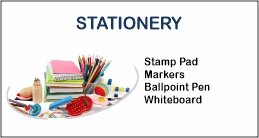
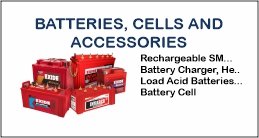
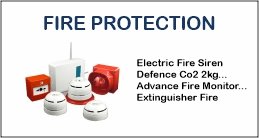
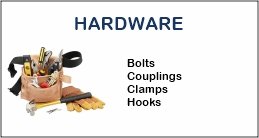
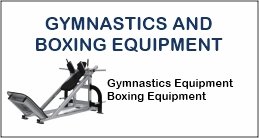
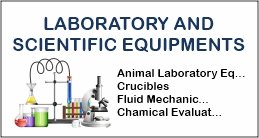
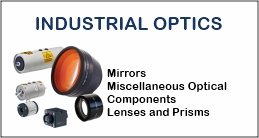
Popular Product Categories On Gem Marketplace
PRODUCT / SERVICE LISTING FEE
| PACKAGE |
NO. OF LISTING
(Product / Service ) |
FEE PER LISTING (₹) |
GROSS TOTAL (₹) |
GST @ 18% (₹) |
TOTAL (₹) |
| A |
First 3 |
₹ 847 |
₹ 2,542 |
₹ 457 |
₹ 2,999 |
| B |
4 |
₹ 760 |
₹ 3,042 |
₹ 547 |
₹ 3,589 |
| C |
5 |
₹ 708 |
₹ 3,542 |
₹ 637 |
₹ 4,179 |
| D |
6 |
₹ 674 |
₹ 4,042 |
₹ 727 |
₹ 4,769 |
For Every Additional Product Rs. 500 + 18% Gst = 590/- will be charged over and above 3 products.
For Ex: For 50 Products Rs. 26042 + 18% GST = 30729/- will be charged.
GeM Catalogue 2026: Complete Guide to Product Listing, Categories, and Procurement
Executive Summary
The Government e-Marketplace (GeM) Catalogue represents India's most comprehensive digital procurement platform, facilitating seamless transactions between government entities and sellers across multiple sectors. As of 2026, GeM hosts over 10,000 products and services categorized across six quadrants (Q1-Q6), each with distinct seller eligibility criteria and procurement mechanisms. This comprehensive guide explores the GeM catalogue structure, product categories, tender processes, and practical procedures for both sellers and buyers.
1. Introduction to GeM Catalogue 2026
1.1 What is the GeM Catalogue?
The GeM Catalogue is the centralized product and service listing platform within the Government e-Marketplace, developed by the Ministry of Commerce & Industry. It enables government ministries, departments, public sector units (PSUs), and other authorized bodies to procure goods and services directly from verified sellers[1].
Key Characteristics:
- Largest government procurement digital platform in India
- Over 10,000 products and services listed
- 100% digitized procurement process
- Transparent and competitive bidding environment
- Real-time inventory management[2]
1.2 Objectives of GeM Catalogue 2026
- Promote transparency and reduce corruption in government procurement
- Facilitate ease of doing business for sellers and buyers
- Enable direct buying (spot purchases) without lengthy tender processes
- Encourage competitive pricing through open bidding
- Support MSMEs and small businesses through dedicated categories
- Promote Indian manufacturing through dedicated product categories
- Reduce procurement time from weeks to days[3]
2. GeM Catalogue Structure and Product Categories
2.1 The Six Quadrant System (Q1-Q6)
The GeM platform organizes products across six quadrants, each designed for specific product types and seller eligibility criteria[4]:
| Quadrant |
Product Types |
Seller Eligibility |
Key Features |
| Q1 |
High-precision equipment, branded electronics, machinery, vehicles |
OEMs only |
Full manufacturer accountability, authenticity guaranteed |
| Q2 |
IT equipment, laptops, servers, standardized machinery |
OEMs + Authorized resellers |
Catalogue-based procurement, quality assured |
| Q3 |
Furniture, textiles, consumables |
OEMs + Resellers |
Common-use goods, multiple sellers |
| Q4 |
Stationery, IT accessories, consumables |
Resellers only |
Standardized items, competitive pricing |
| Q5 |
Services (consulting, training, R&D) |
Service providers |
Professional services procurement |
| Q6 |
ODOP products, handicrafts, artisanal goods |
OEMs only (with reseller pairing) |
District specialties, cultural preservation |
Table 1: GeM Catalogue Quadrant Classification System
2.2 Major Product Categories
The GeM catalogue spans across diverse sectors:
- IT and Electronics
- Computers and peripherals
- Networking equipment
- Software licenses
- IT services and consulting
- Cybersecurity solutions[5]
- Office and General Supplies
- Stationery and office furniture
- Printing and reproduction equipment
- Office appliances
- Safety and protective equipment[6]
- Medical and Healthcare
- Medical equipment and devices
- Pharmaceutical supplies
- Hospital furniture
- Medical training aids
- Diagnostic equipment[7]
- Automotive and Machinery
- Vehicles and spare parts
- Industrial machinery
- Agricultural equipment
- Construction equipment
- Engines and motors[8]
- Manufacturing and Industrial
- Raw materials and components
- Manufacturing machinery
- Industrial tools
- Fasteners and hardware
- Metal products[9]
- Services Category
- Consulting services
- Training and development
- Research and development
- IT services
- Insurance and financial services[10]
- ODOP (One District One Product)
- Handloom products
- Handicrafts and artisanal items
- Region-specific goods
- Traditional manufacturing products
- Cultural specialty items[11]
3. How Product Listing Works on GeM Catalogue
3.1 Registration and Profile Creation
Step 1: GeM Portal Registration
Sellers must first complete the GeM registration process by providing[12]:
- Valid business registration (PAN, GSTIN, Udyam registration, or CIN)
- Company details and address
- Bank account information
- Authorized signatory details
- Supporting documents (incorporation certificate, GST certificate, etc.)
Step 2: Seller Profile Creation
After registration approval, sellers create a comprehensive profile including[13]:
- Company information and history
- Manufacturing or business capabilities
- Certifications and compliance documents
- Quality assurance practices
- Authorized distributors (if applicable)
- Product/service portfolio overview
3.2 Product Data Entry and Specifications
When listing a product on GeM catalogue, sellers must provide[14]:
Mandatory Information
- Product name and model number
- Brand name and manufacturer details
- Unique product code (if applicable)
- Product category and quadrant classification
- Detailed product description
- Technical specifications and parameters
- Warranty and after-sales service details
- Delivery timeline and logistics information
- Pricing structure (inclusive of taxes and freight)
Supporting Documentation
- Product images (high-quality, multiple angles)
- Product brochures and specification sheets
- Certification documents (ISO, BIS, etc.)
- Test reports and compliance certificates
- Manufacturer authorization letters (if applicable)
- Video demonstrations (optional but recommended)[15]
3.3 Catalogue Approval Process
The GeM system follows a quality assurance process[16]:
- Seller submits product data and supporting documents
- GeM team reviews completeness of information
- Technical validation of specifications
- Compliance check with government standards
- Approval or feedback (typically within 5-7 working days)
- Product goes live on catalogue upon approval
- Seller can monitor product views and inquiries in real-time
3.4 Catalogue Management Features
GeM provides sellers with advanced catalogue management tools[17]:
Real-time Analytics:
- Product view counts and traffic
- Search keyword analysis
- Buyer inquiry tracking
- Quote request management
- Order analytics and trends
Bulk Operations:
- Bulk upload of products via CSV/Excel
- Batch editing of catalogue data
- Price updates and inventory management
- Multi-SKU product management
Quality Control:
- Product image optimization
- Specification validation
- Duplicate detection
- SEO-friendly description optimization[18]
4. Tender Process on GeM Catalogue
4.1 Types of Tenders on GeM
GeM offers multiple tendering mechanisms for government procurement[19]:
- Open Bid System
- All registered sellers can participate
- Multiple bidders submit competitive bids
- Buyer evaluates based on pre-defined criteria
- Ideal for high-value procurements
- Ensures competitive pricing through bidding wars[20]
- Limited Tenders
- Bids invited from pre-qualified sellers only
- Used for specialized products or services
- Buyers select eligible participants based on criteria
- Faster process with quality assurance[21]
- Single Bid System
- Only one bid allowed per seller per tender
- Straightforward process
- Used for standardized, non-competing goods
- Common for scheduled rate contracts
- Negotiated Tenders
- Invitation to single or select companies
- Used for specialized work or contract extensions
- Quotations submitted and negotiated
- Award based on negotiated terms[22]
- Two-Stage Tendering
- Stage 1: Qualification submission (technical evaluation)
- Stage 2: Price bid (only qualified bidders proceed)
- Ensures quality while maintaining competitive pricing
- Used for complex or specialized procurements[23]
4.2 Reverse Auction (RA) Mechanism
Reverse Auction is a powerful feature on GeM that drives competitive pricing[24]:
How Reverse Auction Works:
- Buyer publishes tender with specifications and reserve price
- Qualified sellers submit initial bids by deadline
- Top 50% of bids qualify for reverse auction
- During auction window, sellers can reduce prices in real-time
- Auction is transparent with live bidding updates
- Lowest qualified bid wins the contract[25]
Benefits of Reverse Auction:
- Significant price reductions (typically 15-30%)
- Transparent competitive process
- Real-time price discovery
- Encourages fair competition
- Reduces government procurement costs
- Dynamic price negotiation[26]
4.3 Direct Buying vs Tender Process
| Feature |
Direct Buying (Spot Purchase) |
Tender Process |
| Description |
Buyer directly purchases from listed catalogues |
Multiple bids collected and evaluated |
| Bidding Required |
No |
Yes |
| Suitable For |
Standard products with fixed prices |
Higher-value or customized products |
| Procurement Time |
Faster (24-48 hours) |
Longer (typically 7-30 days) |
| Pricing |
Quantity-based discounts often available |
Competitive pricing through bidding |
| Contract |
Immediate |
Formal contract execution[27][28] |
4.4 Bid Submission and Evaluation
Technical Bid: Sellers must submit technical specifications matching buyer requirements[29]:
- Product/service specifications
- Compliance certifications
- Delivery timeline
- Quality assurance measures
- After-sales service details
- Warranty terms
Financial Bid: Pricing details submitted separately[30]:
- Unit price (with GST breakup)
- Total contract value
- Payment terms
- Warranty period pricing
- Service level pricing (if applicable)
Evaluation Criteria:
- Technical compliance (pass/fail)
- Price competitiveness
- Seller ratings and performance history
- Delivery and service capabilities
- Financial stability (for large contracts)
- Additional value-added services[31]
4.5 Timeline for GeM Tenders
Typical tender timeline on GeM[32]:
| Stage |
Duration |
| Tender publication | Day 1 |
| Bid submission window | 7-14 days (varies by tender) |
| Technical evaluation | 2-5 days |
| Reverse auction (if applicable) | 1-2 days |
| Award announcement | 1-2 days |
| Contract execution | 3-5 days |
| Order fulfillment | As per specified timeline |
Table 2: Standard GeM Tender Timeline
5. Benefits of GeM Catalogue for Buyers
5.1 Government Buyers
Cost Advantages:
- Competitive pricing through reverse auctions (15-30% savings)
- No middlemen involved
- Direct purchase from manufacturers
- Bulk order discounts
- Transparent pricing models[33]
Operational Efficiency:
- Reduced procurement time from weeks to days
- 100% digital process with minimal paperwork
- Real-time order tracking
- Automated payment processing
- Centralized vendor management[34]
Quality Assurance:
- Verified seller database with performance ratings
- Seller compliance with government standards
- Dispute resolution mechanism
- Product warranty and after-sales service guarantees
- Non-compliance penalties and debarment provisions[35]
Compliance and Transparency:
- Audit trail of all transactions
- Public procurement transparency
- Reduced corruption risks
- Government standards compliance mandatory
- Performance rating system[36]
5.2 Individual and Institutional Buyers
Access to Quality Products:
- Wide range of government-approved sellers
- Competitive pricing
- Bulk purchase discounts
- Direct manufacturer relationships
- Service provider network[37]
Digital Convenience:
- 24/7 online access
- Easy product search and comparison
- Quick quote generation
- Real-time order status tracking
- Online payment options[38]
6. Benefits of GeM Catalogue for Sellers
6.1 Market Access
Government Procurement Opportunity:
- Access to India's largest buyer base (government entities)
- Multiple ministries, departments, and PSUs
- Estimated annual government procurement of ₹10+ lakh crores
- Direct access without intermediaries[39]
Enhanced Visibility:
- Listing on India's largest e-commerce platform for government procurement
- Visibility to thousands of potential buyers
- Product discovery through advanced search
- Category-specific browsing by government purchasers[40]
6.2 Growth Opportunities
MSME Support:
- Dedicated categories for small and medium enterprises
- Level playing field with larger competitors
- No listing or transaction fees
- GeM Seller Assistance Program[41]
Scale Business:
- Multiple order opportunities from government entities
- Bulk purchase commitments
- Long-term contract opportunities
- Repeat business potential[42]
Export Readiness:
- Quality standardization through GeM requirements
- Compliance with government specifications
- International standards alignment
- Preparation for global market entry[43]
6.3 Operational Benefits
Working Capital Improvement:
- Faster payment cycles (average 7-14 days)
- No credit risk with government buyers
- Online payment processing
- Improved cash flow[44]
Business Intelligence:
- Real-time demand analytics
- Market trend identification
- Pricing intelligence
- Competitor benchmarking[45]
Cost Reduction:
- No physical showroom requirement
- Reduced marketing expenses
- Automated order management
- Streamlined supply chain[46]
7. Product Listing Best Practices
7.1 Creating High-Quality Product Listings
Comprehensive Product Description:
- Use clear, technical language with specifications
- Avoid vague or generic descriptions
- Include all unique product features
- Mention certifications and standards compliance
- Highlight competitive advantages
- Provide comparison with similar products[47]
Image Quality Standards:
- Use high-resolution images (minimum 500x500 pixels)
- White or neutral background for clarity
- Multiple angles showing product details
- Include product in use/application scenarios
- Show packaging and documentation[48]
Technical Specifications:
- Provide exact measurements and dimensions
- Include weight and material composition
- Power requirements and performance parameters
- Warranty duration and coverage details
- Certifications (ISO, BIS, FSSAI, etc.)
- Compliance with government standards[49]
Pricing Strategy:
- Competitive but profitable pricing
- Transparent cost breakup (GST, freight, etc.)
- Volume-based discounts where applicable
- Clear payment and delivery terms
- No hidden charges[50]
7.2 SEO Optimization for GeM Catalogue
Keyword Optimization:
- Use relevant search terms in product titles
- Include technical specifications in keywords
- Focus on buyer search patterns
- Incorporate government procurement terminology
- Optimize for long-tail keywords[51]
Description Quality:
- First 100 words critical for discoverability
- Highlight unique selling propositions
- Use structured data for specifications
- Include related keywords naturally
- Avoid keyword stuffing[52]
7.3 Seller Performance Metrics
GeM tracks and displays seller performance through[53]:
Rating Components:
- Order fulfillment rate (delivery on time)
- Product quality compliance
- Customer complaint resolution
- Return/rejection rate
- Payment term compliance
- Communication responsiveness
Impact of Ratings:
- Buyers prefer highly-rated sellers
- Higher ratings lead to more inquiries and orders
- Poor ratings may result in de-listing
- Top performers receive GeM badge recognition
- Rating history influences tender participation[54]
8. Frequently Asked Questions (FAQ)
General Questions
Q1: What is GeM Catalogue and who can use it?
A: GeM Catalogue is the product and service listing platform of Government e-Marketplace. Government ministries, departments, PSUs, and authorized institutions use it for procurement. Sellers must be registered on GeM to list products, and buyers need minimal verification[55].
Q2: Is there any cost to list products on GeM?
A: No, there is no listing fee or transaction fee on GeM. It is completely free for sellers to register and list products. However, GST applicable on your product price is collected by the buyer[56].
Q3: How long does it take for a product to be approved on GeM?
A: Typically, products are approved within 5-7 working days. Simple products with complete documentation may be approved in 2-3 days, while complex products may take up to 14 days[57].
Q4: Can I modify my product listing after approval?
A: Yes, you can update your product listings anytime. However, significant changes may require re-approval. Minor updates like price changes may be effective immediately[58].
Q5: What happens if my product is rejected?
A: GeM team provides feedback on rejection. Common reasons include incomplete specifications, poor image quality, or non-compliance with standards. You can address the feedback and resubmit within 30 days[59].
Seller-Specific Questions
Q6: Who can be a seller on GeM?
A: Any registered business entity (proprietor, partnership, company, cooperative, trust) with valid GST/PAN and business registration can be a seller. Additionally, Udyam-registered MSMEs are encouraged[60].
Q7: What documents are required for GeM registration?
A: Required documents typically include:
- PAN Certificate or GST Certificate
- Bank Account details with cancelled cheque
- Business registration documents
- Authorized signatory identification
- Compliance certificates (if applicable)
- Udyam registration (for MSME category)[61]
Q8: What is the difference between OEM, Reseller, and Service Provider roles?
A:
- OEM (Original Equipment Manufacturer): Produces goods directly
- Reseller/Distributor: Sells products of other manufacturers
- Service Provider: Offers professional services (consulting, training, etc.)
Different quadrants have specific eligibility for each role
[62].
Q9: Can I list the same product in multiple quadrants?
A: Each product should be listed in the appropriate quadrant based on your role and product characteristics. Duplicate listings across quadrants are not permitted and may result in de-listing[63].
Q10: How are payments processed on GeM?
A: GeM orders payment flow:
- Buyer places order (payment not required upfront)
- Seller delivers goods/services with invoice
- Buyer confirms receipt
- Automatic payment transfer to seller account (typically 7-14 days)
- Seller can track payment status in dashboard[64]
Buyer-Specific Questions
Q11: How do I search for products on GeM Catalogue?
A: Use the search bar with product name, category, or specifications. You can filter by seller rating, price range, delivery time, and certifications. Advanced search offers detailed filtering options[65].
Q12: Can I negotiate prices on GeM Catalogue?
A: For direct buying (spot purchase), prices are fixed. For tenders, you can invite bids and negotiate with sellers through the tender process or by contacting sellers directly for quotes[66].
Q13: What if I receive a defective product?
A: GeM has a dispute resolution mechanism. You can file a complaint with documentation. Sellers must resolve issues within specified timeframes. Unresolved disputes are escalated to GeM administration[67].
Q14: Are there guarantees and warranty terms on GeM products?
A: Yes, warranty terms are specified in each product listing. GeM maintains a dispute resolution fund for quality-related issues. Sellers must honor warranty obligations as listed[68].
Q15: How is GeM different from regular e-commerce platforms?
A:
- GeM is exclusively for government and authorized institutional procurement
- Reverse auction mechanism for competitive pricing
- All sellers are government-verified
- Statutory compliance mandatory
- Transparent, auditable process
- No consumer goods (primarily B2B and B2G)[69]
Tender and Bidding Questions
Q16: What is a Reverse Auction on GeM?
A: Reverse Auction is a competitive bidding mechanism where sellers submit bids, and the top 50% are invited to a live auction. During the auction, sellers can reduce prices in real-time. The lowest qualifying bid wins. It typically achieves 15-30% cost savings[70].
Q17: How do I participate in GeM tenders?
A:
- Monitor tender notifications on your dashboard
- Review tender specifications and requirements
- Prepare technical bid matching specifications
- Submit both technical and financial bids by deadline
- Participate in evaluation and reverse auction (if applicable)
- Await award notification[71]
Q18: What is the difference between Open Bid and Limited Tender?
A:
- Open Bid: All registered sellers can bid (more competition, wider reach)
- Limited Tender: Only pre-qualified sellers can bid (quality-focused, specific requirements)[72]
Q19: Can I withdraw my bid after submission?
A: Bid withdrawal policies vary by tender. Generally, bids can be withdrawn before the bid deadline. After closure, withdrawal is typically not permitted unless grounds for bid rejection are discovered[73].
Q20: What happens after I win a tender?
A:
- Award letter issued
- Contract document prepared
- 30-day period to execute contract
- Supply as per agreed specifications and timeline
- Buyer inspection and acceptance
- Payment processing[74]
Technical and Compliance Questions
Q21: What are the quality standards required for GeM products?
A: Products must comply with relevant Indian Standards (IS), Bureau of Indian Standards (BIS) certification, and government-mandated quality levels. Medical products need FSSAI or pharmacy board approval. Electronics need appropriate certifications[75].
Q22: Is GST applicable on GeM transactions?
A: Yes, GST is applicable as per normal business rules. The GST rate depends on the product category. Sellers should ensure correct GST registration and compliance[76].
Q23: How is seller performance measured on GeM?
A: Performance metrics include:
- On-time delivery rate
- Product quality compliance
- Complaint resolution rate
- Return/rejection percentage
- Communication responsiveness
These metrics affect seller visibility and trust ratings
[77].
Q24: What happens if a seller doesn't comply with GeM norms?
A: Non-compliance consequences include:
- Product de-listing
- Account suspension
- Temporary or permanent ban from platform
- Performance rating downgrade
- Legal action for fraud or misrepresentation[78]
Q25: How frequently should I update my product listings?
A: Recommendations:
- Update prices quarterly or when cost changes
- Refresh images and descriptions annually
- Update inventory status regularly
- Keep certifications current
- Maintain real-time stock visibility
- Regular audit of competitor prices[79]
9. Case Studies and Success Stories
Case Study 1: IT Equipment Supplier Success
Background: A Bangalore-based IT equipment manufacturer started on GeM with 5 products.
Results:
- Listed 50+ products within 6 months
- Achieved 4.8/5 seller rating through consistent delivery
- Wins 3-5 government tenders monthly
- Annual revenue growth of 250%
- Expanded to serve 15+ government departments[80]
Case Study 2: MSME Furniture Maker
Background: A Delhi furniture workshop registered on GeM to expand beyond regional markets.
Results:
- Listed office furniture in Q3 (OEM + Reseller category)
- Zero listing fees enabled investment in product improvements
- Government bulk orders increased sales by 400%
- Hired 25 additional workers
- Expanded to two additional manufacturing units[81]
Case Study 3: Service Provider (Consulting Firm)
Background: An HR consulting firm leveraged GeM for government training contracts.
Results:
- Won 8 government training contracts in first year
- Predictable government client base (Q5 Services category)
- Improved cash flow with government payment reliability
- Business diversified from private sector dependency
- Client base grew from 15 to 50+ government departments[82]
10. Future of GeM Catalogue 2026 and Beyond
10.1 Emerging Trends
- AI-Powered Product Discovery:
- Intelligent search recommendations
- Automated specification matching
- Predictive buyer preference analysis[83]
- Integration with Supply Chain:
- Real-time inventory synchronization
- Automated warehouse management
- IoT-enabled tracking[84]
- New Product Categories:
- Green and sustainable products
- Renewable energy equipment
- Electric vehicles and charging infrastructure
- Cyber-physical systems[85]
10.2 Planned Enhancements
- Mobile-First Platform:
- Enhanced mobile app functionality
- Better browsing and bidding on mobile
- Push notifications for opportunities[86]
- Analytics and Business Intelligence:
- Advanced seller analytics dashboard
- Market trend reports
- Buyer demand forecasting[87]
- Global Expansion:
- Integration with international procurement platforms
- Export-ready product certification
- Multi-currency support[88]
References
- Government of India, Ministry of Commerce & Industry. (2024). Government e-Marketplace Official Portal. https://gem.gov.in
- Tata AIG Insurance. (2026, January 1). GeM Portal Categories Guide: Q1 to Q6 Explained Simply. https://www.tataaig.com/knowledge-center/sme-insurance/gem-portal-categories-and-their-classifications
- Ministry of Commerce & Industry. (2024). GeM Platform Statistics and Impact Report. Government e-Marketplace Official Records.
- Government of India. (2024). GeM Catalogue Management System 3.0. https://gem.gov.in/landing/index/Catalogue_Management
- TenderPlus. (2026, January 2). GeM Portal Products List - Catalog Management Services. https://tendersplus.com/product-service
- Government of India. (2024). GeM New Products & Services Categories. https://gem.gov.in/new-categories
- Ministry of Commerce & Industry. (2024). Medical and Healthcare Products on GeM. Government e-Marketplace Records.
- GeM Official Documentation. (2024). Automotive and Machinery Product Categories. Government e-Marketplace Archives.
- GeM Official Documentation. (2024). Manufacturing and Industrial Products Listing Guidelines. Government e-Marketplace Archives.
- Government of India. (2024). Services Category Management on GeM. Ministry of Commerce & Industry.
- ODOP Initiative Documentation. (2024). One District One Product Programme on GeM. Ministry of Commerce & Industry.
- Classic Tenders. (2025, October 15). Government e-Marketplace (GeM) Product Listing Guide for Sellers. https://classictenders.com/blogs/government-e-marketplace-gem-product-llisting-guide-for-sellers
- GeM Seller Resources. (2024). Profile Creation and Management Guidelines. Government e-Marketplace Official Documentation.
- GeM Catalogue. (2024). Product Data Entry Requirements and Standards. Government e-Marketplace.
- Classic Tenders. (2025). GeM Product Documentation and Certification Requirements. https://classictenders.com/blogs/government-e-marketplace-gem-product-llisting-guide-for-sellers
- Government of India. (2024). Catalogue Approval Process and Quality Assurance. Ministry of Commerce & Industry.
- GeM Seller Dashboard Documentation. (2024). Catalogue Management Tools and Features. Government e-Marketplace.
- TenderPlus Academy. (2025). SEO Optimization for GeM Product Listings. https://tendersplus.com/blogs
- TenderPlus. (2023, December 17). Mastering GeM Tender Bidding Process. https://tendersplus.com/blogs/gem-tender-bidding
- Government e-Marketplace. (2024). Open Bid System Guidelines. Ministry of Commerce & Industry.
- GeM Tender Documentation. (2024). Limited Tender Process and Eligibility Criteria. Government e-Marketplace.
- Ministry of Commerce & Industry. (2024). Negotiated Tender Guidelines on GeM. Government e-Marketplace Official Records.
- Government e-Marketplace. (2024). Two-Stage Tendering Process Documentation. Ministry of Commerce & Industry.
- GeM Reverse Auction Guidelines. (2024). Reverse Auction Mechanism and Implementation. Government e-Marketplace.
- Government of India. (2024). Reverse Auction Cost Savings Analysis Report 2024. Ministry of Commerce & Industry.
- GeM Impact Assessment. (2024). Benefits and Outcomes of Reverse Auction on Government Procurement. Official Records.
- Government e-Marketplace. (2024). Direct Buying and Spot Purchase Guidelines. Ministry of Commerce & Industry.
- Ministry of Commerce & Industry. (2024). Tender Procurement Process Documentation. Government e-Marketplace Archives.
- GeM Tender Documentation. (2024). Technical Bid Submission Requirements. Government e-Marketplace.
- Government e-Marketplace. (2024). Financial Bid Submission and Evaluation Criteria. Ministry of Commerce & Industry.
- GeM Evaluation Framework. (2024). Comprehensive Bid Evaluation Methodology. Official Government Records.
- Government e-Marketplace. (2024). Standard Tender Timeline and Process Flow. Ministry of Commerce & Industry.
- GeM Impact Study. (2024). Cost Savings Analysis: Government Procurement on GeM. Ministry of Commerce & Industry.
- Ministry of Commerce & Industry. (2024). Operational Efficiency Metrics on GeM Platform. Government e-Marketplace Reports.
- Government e-Marketplace. (2024). Quality Assurance and Compliance Framework. Ministry of Commerce & Industry.
- GeM Transparency Report. (2024). Audit Trail and Compliance Documentation. Official Records.
- Government of India. (2024). Buyer Benefits and Advantages on GeM Platform. Ministry of Commerce & Industry.
- GeM User Experience Report. (2024). Digital Convenience Features and Accessibility. Government e-Marketplace.
- Ministry of Commerce & Industry. (2024). Government Procurement Market Size and Opportunity. Official Statistics.
- Government e-Marketplace. (2024). Seller Visibility and Market Reach Analysis. Ministry of Commerce & Industry.
- GeM Seller Support Programme. (2024). MSME Assistance and Benefits. Ministry of Commerce & Industry.
- Government e-Marketplace. (2024). Scaling Business Opportunities on GeM. Official Seller Resources.
- Ministry of Commerce & Industry. (2024). Export Readiness Programme Through GeM. Government Records.
- GeM Payment and Financial Study. (2024). Working Capital Improvement Analysis. Official Documentation.
- Government e-Marketplace. (2024). Business Intelligence Tools and Analytics Dashboard. Seller Resources.
- GeM Cost Analysis Study. (2024). Operational Cost Reduction for Sellers. Ministry of Commerce & Industry.
- Classic Tenders. (2025). Product Description Best Practices for GeM. https://classictenders.com/blogs/government-e-marketplace-gem-product-llisting-guide-for-sellers
- Government e-Marketplace. (2024). Image Quality Standards and Guidelines. Official Seller Documentation.
- GeM Product Specifications. (2024). Technical Specifications and Certification Requirements. Ministry of Commerce & Industry.
- Government e-Marketplace. (2024). Pricing Strategy and Transparency Guidelines. Seller Resources.
- TenderPlus Academy. (2025). SEO Best Practices for Government Procurement Platforms. https://tendersplus.com
- Government e-Marketplace. (2024). Catalogue Description and Keyword Optimization. Seller Dashboard Documentation.
- GeM Performance Rating System. (2024). Seller Rating Components and Calculation. Official Records.
- Government e-Marketplace. (2024). Impact of Performance Ratings on Seller Success. Ministry of Commerce & Industry.
- Government of India. (2024). GeM Catalogue Overview and Platform Features. https://gem.gov.in
- Ministry of Commerce & Industry. (2024). GeM Fee Structure and Cost Information. Official Documentation.
- Government e-Marketplace. (2024). Product Approval Timeline and Process. Seller Resources.
- GeM Seller Resources. (2024). Product Listing Update and Modification Guidelines. Official Documentation.
- Government e-Marketplace. (2024). Product Rejection Feedback and Resubmission Process. Official Records.
- Government of India. (2024). GeM Seller Eligibility and Registration Requirements. Ministry of Commerce & Industry.
- GeM Registration Documentation. (2024). Required Documents for Seller Registration. Official Archives.
- Government e-Marketplace. (2024). OEM, Reseller, and Service Provider Classification. Seller Resources.
- GeM Policy Framework. (2024). Multi-Quadrant Listing and Duplicate Policy. Ministry of Commerce & Industry.
- Government e-Marketplace. (2024). Payment Processing and Settlement Mechanism. Official Records.
- GeM Buyer Portal Documentation. (2024). Product Search and Advanced Filtering Features. Ministry of Commerce & Industry.
- Government e-Marketplace. (2024). Price Negotiation and Quote Request Process. Buyer Resources.
- GeM Dispute Resolution. (2024). Quality Complaint and Resolution Mechanism. Official Documentation.
- Government e-Marketplace. (2024). Warranty and Guarantee Policies on GeM. Ministry of Commerce & Industry.
- Government of India. (2024). GeM Differentiation from Regular E-Commerce Platforms. Official Press Releases.
- Government e-Marketplace. (2024). Reverse Auction Mechanism and Implementation Guide. Ministry of Commerce & Industry.
- GeM Tender Participation Guide. (2024). Step-by-Step Bidding Process. Seller Resources.
- Government e-Marketplace. (2024). Open vs Limited Tender Comparison. Official Documentation.
- GeM Tender Rules. (2024). Bid Withdrawal Policies and Procedures. Ministry of Commerce & Industry.
- Government e-Marketplace. (2024). Post-Award Process and Contract Execution. Official Records.
- Ministry of Commerce & Industry. (2024). Quality Standards and Certification Requirements on GeM. Government Records.
- GST Compliance on GeM. (2024). Goods and Services Tax Guidelines for Sellers. Official Documentation.
- Government e-Marketplace. (2024). Seller Performance Measurement and Rating System. Ministry of Commerce & Industry.
- GeM Compliance Framework. (2024). Non-Compliance Consequences and Penalties. Official Policy.
- Government e-Marketplace. (2024). Catalogue Maintenance and Update Best Practices. Seller Resources.
- GeM Success Stories. (2024). Case Study: IT Equipment Supplier Growth on GeM. Ministry of Commerce & Industry.
- GeM MSME Success Programme. (2024). Case Study: Furniture Manufacturing Business Growth. Official Records.
- Government e-Marketplace. (2024). Case Study: Service Provider Success on GeM. Ministry of Commerce & Industry.
- Ministry of Commerce & Industry. (2024). GeM Future Roadmap: AI Integration Plans. Government Records.
- Government e-Marketplace. (2024). Supply Chain Integration and Automation Plans. Official Strategic Documents.
- Ministry of Commerce & Industry. (2024). New Product Categories and Market Expansion Plans. Government Archives.
- GeM Technical Roadmap. (2024). Mobile-First Platform Development Plan. Ministry of Commerce & Industry.
- Government e-Marketplace. (2024). Analytics and Business Intelligence Development. Technical Records.
- Ministry of Commerce & Industry. (2024). Global Expansion and International Integration Plans. Official Strategic Documents.